
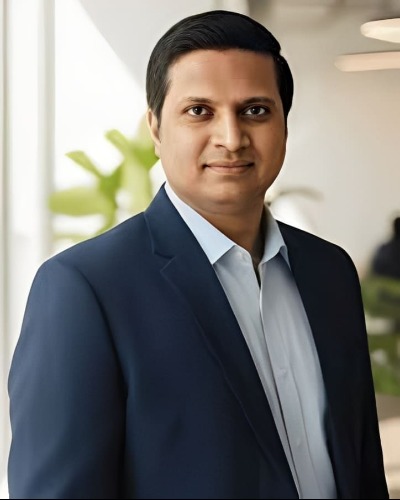
Professor
Prashant Sakharam Bhokardankar
Datta Meghe Ayurvedic Medical College Hospital and Research Centre, India
Abstract:
Neurological disorders impact over one in three people and are a major contributor to global illness and disability. Between 1995 and 2026, more than 2 billion people around the world faced neurological conditions. In India, these disorders rank among the leading causes of disability-adjusted life years and represent significant challenges for public health.
Neurological disorders impact over one in three people and are a major contributor to global illness and disability. Between 1995 and 2026, more than 2 billion people around the world faced neurological conditions. In India, these disorders rank among the leading causes of disability-adjusted life years and represent significant challenges for public health.
In the field of neurological disorders, traditional medicine has made considerable progress. From drug therapies to surgical interventions, modern medicine has offered vital solutions for many neurological conditions, improving both life expectancy and the quality of life for numerous patients. Treatments such as brain stimulation, polymeric devices and stem cell therapy, retraining and control therapy, cognitive-behavioral therapies, multidisciplinary rehabilitation, and oral medications are utilized to address various neurological disorders. Nevertheless, despite these advancements, conditions such as hemiplegia, Alzheimer’s disease, depression, and anxiety remain prevalent, which can raised alarming situation.
Neurological disorders impact over one in three people and are a major contributor to global illness and disability. Between 1995 and 2026, more than 2 billion people around the world faced neurological conditions. In India, these disorders rank among the leading causes of disability-adjusted life years and represent significant challenges for public health.
In the field of neurological disorders, traditional medicine has made considerable progress. From drug therapies to surgical interventions, modern medicine has offered vital solutions for many neurological conditions, improving both life expectancy and the quality of life for numerous patients. Treatments such as brain stimulation, polymeric devices and stem cell therapy, retraining and control therapy, cognitive-behavioral therapies, multidisciplinary rehabilitation, and oral medications are utilized to address various neurological disorders. Nevertheless, despite these advancements, conditions such as hemiplegia, Alzheimer’s disease, depression, and anxiety remain prevalent, which can raised alarming situation.
Neurological disorders impact over one in three people and are a major contributor to global illness and disability. Between 1995 and 2026, more than 2 billion people around the world faced neurological conditions. In India, these disorders rank among the leading causes of disability-adjusted life years and represent significant challenges for public health.
In the field of neurological disorders, traditional medicine has made considerable progress. From drug therapies to surgical interventions, modern medicine has offered vital solutions for many neurological conditions, improving both life expectancy and the quality of life for numerous patients. Treatments such as brain stimulation, polymeric devices and stem cell therapy, retraining and control therapy, cognitive-behavioral therapies, multidisciplinary rehabilitation, and oral medications are utilized to address various neurological disorders. Nevertheless, despite these advancements, conditions such as hemiplegia, Alzheimer’s disease, depression, and anxiety remain prevalent, which can raised alarming situation.
Neurological disorders impact over one in three people and are a major contributor to global illness and disability. Between 1995 and 2026, more than 2 billion people around the world faced neurological conditions. In India, these disorders rank among the leading causes of disability-adjusted life years and represent significant challenges for public health.
In the field of neurological disorders, traditional medicine has made considerable progress. From drug therapies to surgical interventions, modern medicine has offered vital solutions for many neurological conditions, improving both life expectancy and the quality of life for numerous patients. Treatments such as brain stimulation, polymeric devices and stem cell therapy, retraining and control therapy, cognitive-behavioral therapies, multidisciplinary rehabilitation, and oral medications are utilized to address various neurological disorders. Nevertheless, despite these advancements, conditions such as hemiplegia, Alzheimer’s disease, depression, and anxiety remain prevalent, which can raised alarming situation.
In the field of neurological disorders, traditional medicine has made considerable progress. From drug therapies to surgical interventions, modern medicine has offered vital solutions for many neurological conditions, improving both life expectancy and the quality of life for numerous patients. Treatments such as brain stimulation, polymeric devices and stem cell therapy, retraining and control therapy, cognitive-behavioral therapies, multidisciplinary rehabilitation, and oral medications are utilized to address various neurological disorders. Nevertheless, despite these advancements, conditions such as hemiplegia, Alzheimer’s disease, depression, and anxiety remain prevalent, which can raised alarming situation.
Alarming issues include migraine, attention deficit and hyperactivity disorder, insomnia, and substance use disorders highlight the need for cost-effective, preventive alternatives. For neurological illnesses, conventional medicine mostly uses pharmaceutical therapies and symptomatic care. Although these methods offer some comfort, they frequently fall short in addressing underlying issues and overall wellbeing. Furthermore, many people continue to worry about the long-term effectiveness and possible negative effects of pharmacological medications. There are many areas where Ayurveda as a traditional methods provide good comfort in meeting patients' holistic demands, especially when it comes to long-term care and underlying causes.
Keywords: Ayurveda, Rassayan, Regenerative herbs , neurology , degenerative disorders
Biography:
Dr. Prashant Bhokardankar is not only a prominent personality in Ayurveda; he is an innovator transforming the landscape of conventional medicine. Holding an MD in Ayurveda with a focus on Rasshastra from the esteemed Govt. Since 2005, he has devoted his career to enhancing the pharmaceutical elements of Ayurveda at Ayurveda College Nanded, India. As an energetic Professor and Department Head at Datta Meghe ayurvedic medical College hospital and research centre Nagpur Maharashtra India, he motivates the upcoming generation of Ayurvedic professionals while also engaging in the worldwide conversation on traditional medicine. His notable career encompasses significant positions at prestigious pharmaceutical firms like Dabur and Arya Vaidya Pharmacy, where he refined his skills in the Ayurveda pharmaceutical field. Dr. Bhokardankar is an accomplished researcher, having authored many national and international publications in indexed journals. His dedication to the field goes beyond academia, having arranged numerous seminars and workshops, enthusiastically imparting the knowledge of Ayurvedic medicine. Dr. Bhokardankar, a highly sought-after speaker at international conferences in Spain, France, Italy, and Dubai, continues to connect ancient wisdom with modern science, demonstrating the significance of Ayurveda on a worldwide stage. His role as a principal investigator on several funded research initiatives highlights his commitment to enhancing Ayurvedic pharmaceutical understanding. With his vast expertise and forward-thinking perspective, Dr. Bhokardankar genuinely represents the essence of innovation in the realm of Ayurveda:
Copyright 2024 Mathews International LLC All Rights Reserved
