
Abstract:
Acupoint stimulation (AS) has been increasingly investigated and supported by convergent evidence across neuroimaging, systems biology, and physiology, although some of its efficacy and mechanism remain debated. Randomized controlled trials (RCTs) and systematic reviews demonstrated therapeutic effects in selected conditions. At the local level, AS engages purinergic and nitric oxide signaling pathways that modulate microcirculation and neuroimmune interactions. These effects encompass subtle AS such as non-thermal low intensity laser which yields therapeutic benefits without directly perturbing local nerves or reorganizing collagen fibers. Systemically, defined neural circuits mediate anti inflammatory, autonomic, and neuroendocrine effects. AS also regulates various growth factors, senescence, apoptosis, and tissue remodeling. A growth-control organizer model has been proposed to integrate these findings with neurophysiology and connective tissue research leading to partially confirmed predictions and parsimonious explanations regarding acupoint distribution, biological plausibility, growth-control effects, and age-dependent responsiveness, framing acupoints as remnants of developmental organizers and singularity perturbation (perturbation at singularity) as a novel therapeutic mechanism. Translational studies have begun to explore clinical applications of AS in dyspepsia, chronic pain, and sepsis. Research on AS also faces major challenges, including the use of non-specific nerve blockade obscuring non-neural mechanisms, AS parameter standardization, individualized treatment optimization and clinical phenotyping.
Biography:
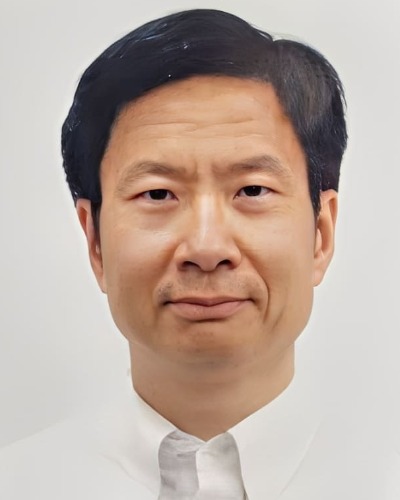
Dr. Charles Shang is a clinical professor and internal medicine physician specializing in integrative medicine. He received a master’s degree from Harvard University and MD from Boston University. Dr. Shang was on faculty at Harvard Medical School and Baylor College of Medicine. He published the 1st model in biology of acupuncture with multiple confirmed interdisciplinary predictions in both acupuncture and conventional biology for which he received the Medical Acupuncture Research Foundation Award.
Copyright 2024 Mathews International LLC All Rights Reserved
